
Search Website
Close
Close
-
What we do
-
Supported Housing
-
Therapeutic Rural Skills
Back -
-
Impact
-
Get Involved
-
About Us
-
Residents
-
Training
Search Website
Close
Close
-
What we do
-
Supported Housing
-
Therapeutic Rural Skills
Back -
-
Impact
-
Get Involved
-
About Us
-
Residents
-
Training
Search Website
Close
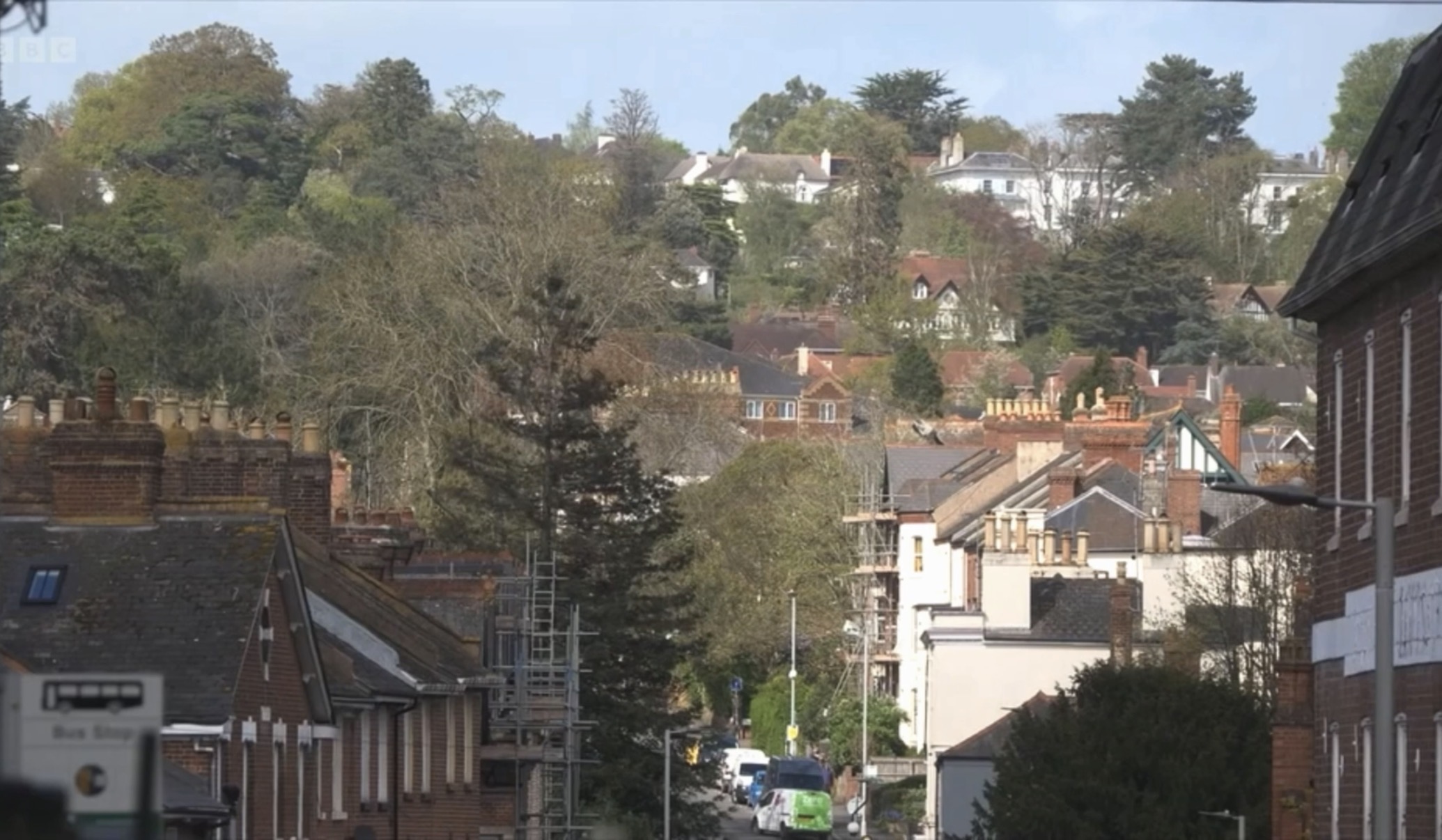
Ahead of the city council election on 7th May, BBC South West political reporter, Miles Davis spoke to YMCA Exeter resident and staff member, Andy to hear his thoughts on affordable housing in the city.
The recent BBC article highlights the granting of planning permission for over 1,350 new co-living and student flats across the city, yet this doesn’t tackle the huge need for one and two-bed affordable homes in Exeter.
Many of the councillors in the article highlight issues with the volume of co-living style developments within the city. Whilst Phil Bialyk, leader of Exeter City Council, argues that co-living is giving young people an opportunity to “get a place of their own”, young people in the article state that this is not the experience that they are having.
Dianna Moore suggests that the current levy for co-living under Community Infrastructure Levy (CIL: a charge to developers which can be spent on public works) is so low that it over-enables development of this type of housing to the detriment to others.
Housing needs to meet the differing needs of residents in the city
Land and sites for housing development in Exeter are limited. In order to meet the differing needs of residents in the city there must be a balanced distribution of housing types.
YMCA Exeter Joint CEO, Si Johns, spoke to BBC Spotlight about some of the challenges in meeting housing needs where there is an over-imbalance of co-living housing developments.
“Because co-living is a shared housing environment, these are very large, shared housing clusters, much like student halls of residence,” explains Si. “You may have a cluster of eight or ten ensuite rooms with a large, shared kitchen and dining area for all the units.”
“The issue with this layout is that parts of it cannot be allocated to be used for temporary or supported housing due to the way it’s formatted. As a result, co-living is not contributing well to social housing needs as a traditional housing development would.
“Also, the financial contribution they make through a heavily discounted CIL rate is far less than a traditional housing development would make towards social housing.”
YMCA Exeter is calling on Exeter City Council to consider the implications of developments to ensure that more affordable and social housing can be produced, so that all people, young and old, can have access to affordable, safe and long-term accommodation in the city.